In today’s digital age, the concept of networking has evolved significantly. From vast organizational networks to home Wi-Fi systems, the way we connect devices has become more sophisticated. One of the most critical but often overlooked types of networking is the personal area network (PAN). In this article, we will explore what a PAN is, its types, and advantages, and how it plays a pivotal role in our daily lives.
What is a Personal Area Network (PAN)?
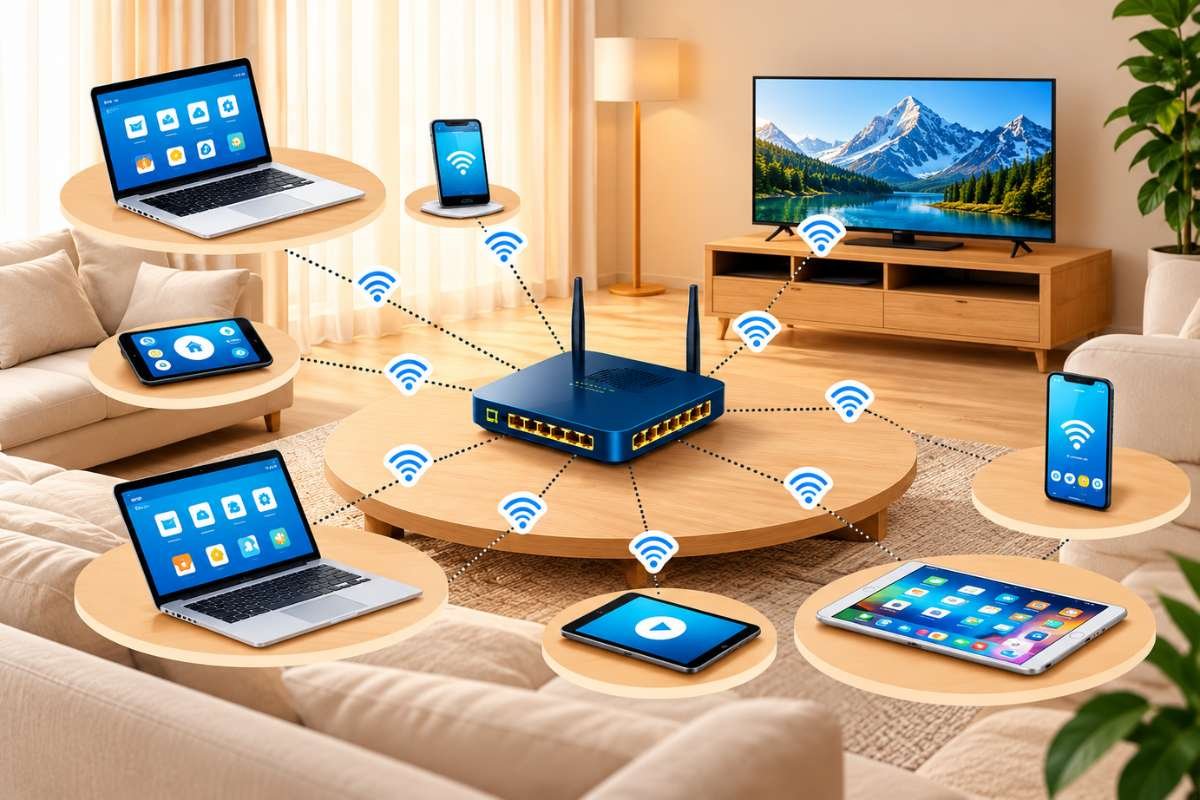
A personal area network (PAN) is a small, localized network that typically connects personal devices within a limited range, usually about 10 meters. It is designed to facilitate communication between devices such as smartphones, tablets, laptops, printers, and wearables. PANs can be wired or wireless, although wireless technologies like Bluetooth and Wi-Fi are the most common methods of creating these networks.
The key characteristic that defines a PAN is its scale. Unlike local area networks (LANs) that can cover larger geographical areas, a PAN focuses on connecting devices for personal use, making it an ideal solution for individuals looking to streamline their technology ecosystem.
Types of Personal Area Networks
There are two primary types of personal area networks:
- Wired Personal Area Networks: These networks use cables to connect devices. Examples include USB connections between a computer and peripherals like printers or external hard drives. While wired PANs offer stable connections and high data transfer rates, they lack the mobility that users often seek.
- Wireless Personal Area Networks: These are the most common form of PAN, utilizing technologies such as Bluetooth, Zigbee, and infrared. Wireless PANs provide users with the flexibility to connect devices without the constraints of cables. Bluetooth, for example, is widely used for connecting headphones to smartphones or fitness trackers to tablets.
Advantages of Personal Area Networks
The use of a personal area network comes with several advantages:
1. Enhanced Connectivity
With a PAN, users can connect multiple devices seamlessly. This means you can transfer files between your smartphone and laptop, print documents from your tablet, or stream music from your computer to your wireless speakers without any hassle.
2. Increased Mobility
One of the most significant benefits of a wireless PAN is mobility. Users can move around freely with their devices while remaining connected, making it ideal for those who are constantly on the go.
3. Cost-Effectiveness
Setting up a PAN is generally less expensive than larger networking systems. Since most personal devices already come with built-in wireless capabilities, there is often no need for additional hardware, such as routers or switches.
4. Energy Efficiency
Wireless PAN technologies like Bluetooth are designed to consume minimal power, making them an energy-efficient option for connecting devices. This is particularly beneficial for battery-operated devices like smartphones and wearables, extending their operational time.
5. Simplified Sharing
Sharing data between devices on a personal area network is straightforward. Whether you’re sharing files, music, or documents, a PAN simplifies the process, allowing for quick and efficient collaboration.
How Personal Area Networks are Transforming Daily Life
In our fast-paced world, PANs are becoming increasingly vital in various aspects of our lives. Here are some ways PANs are transforming how we interact with technology:
1. Smart Homes
With the rise of the Internet of Things (IoT), personal area networks are pivotal in creating smart homes. Devices like smart thermostats, lights, and security cameras connect through PANs, allowing homeowners to control their environment from their smartphones or voice-activated assistants.
2. Health and Fitness
Wearable technology has gained immense popularity, with devices like fitness trackers and smartwatches connecting to smartphones via PANs. This connectivity allows users to monitor their health metrics, track fitness goals, and receive notifications directly on their wearables.
3. Remote Work
As more individuals work from home, the need for efficient connectivity has increased. A PAN allows users to connect their work devices without relying on a complex office network, facilitating smoother communication and collaboration.
4. Gaming
For gaming enthusiasts, personal area networks offer an excellent way to connect gaming consoles, computers, and mobile devices. Players can share content, stream gameplay, and interact with friends without any connectivity issues.
5. Audio and Video Streaming
Wireless PANs make it easy to stream music and videos from devices to speakers or TVs. Users can enjoy high-quality audio and video without the clutter of cables, enhancing their entertainment experience.
Conclusion
The significance of personal area networks in today’s technology-driven world cannot be overstated. They offer a convenient, cost-effective, and efficient way to connect devices within a limited range, enhancing our daily lives in countless ways. As technology continues to evolve, the role of PANs will likely expand, paving the way for even more innovative applications and use cases.
In summary, whether you’re looking to create a smart home, enhance your fitness regime, or streamline your work-from-home setup, understanding and utilizing a personal area network can significantly improve your connectivity and overall experience. Embracing the potential of PANs will not only simplify your interactions with technology but also enrich your daily life in an increasingly connected world.
Did you find this article helpful?
Visit more of our blogs! London Business World