

London, a vibrant and bustling metropolis, is renowned for its rich history, diverse culture, and, importantly, its extensive public transport system. London public transport plays a vital role in the daily lives of millions, making it an essential topic for both residents and visitors alike. In this article, we will explore the various modes of transport available in London, their benefits, and tips for navigating the system effectively.
The Iconic London Underground
One of the most recognizable symbols of London public transport is the London Underground, affectionately known as the Tube. This underground railway system has been in operation since 1863 and has grown to encompass 11 lines, serving 272 stations. The Tube is not only the quickest way to traverse the city but also an iconic part of London’s heritage.
The London Underground operates from 5 AM to midnight, with extended hours on weekends. It provides a reliable means of transport, allowing commuters to avoid the often congested streets above. The famous map, designed by Harry Beck in the 1930s, has become a cultural artifact in its own right, simplifying the complexity of the system and making it accessible to all.
Buses: A Scenic Way to Travel
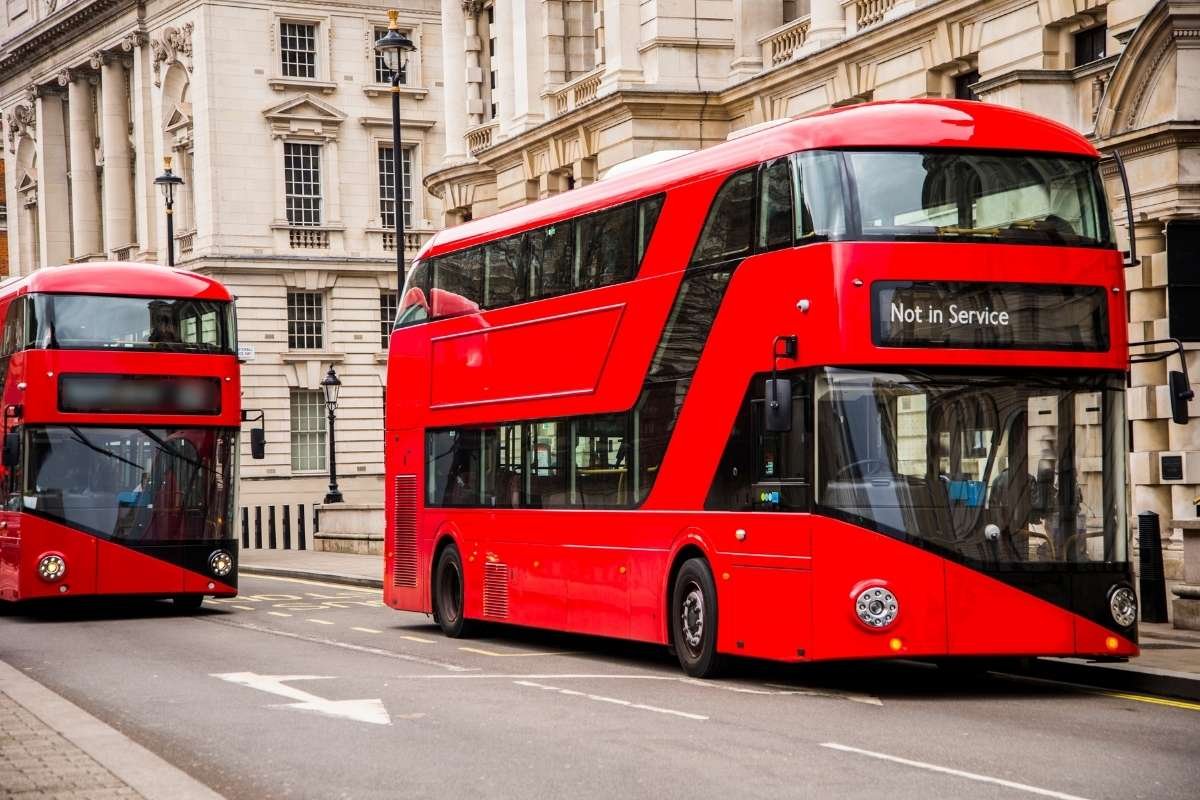
Buses are another crucial component of London public transport. The red double-decker buses are iconic and provide an affordable way to see the city. With over 700 routes, buses cover areas that the Tube does not, making them a flexible option for getting around.
Using buses also offers a unique perspective of London’s streets. Traveling on a double-decker bus allows passengers to enjoy panoramic views of the city, passing landmarks like Buckingham Palace and the Houses of Parliament. The bus service operates 24 hours a day, ensuring that even late-night revelers have a way home.
The Docklands Light Railway (DLR)
For those looking to explore the East End of London, the Docklands Light Railway (DLR) offers a modern and efficient mode of transport. The DLR connects areas like Canary Wharf, Greenwich, and Stratford, making it ideal for commuters and tourists alike.
With its driverless trains and elevated tracks, the DLR provides a unique travel experience. Passengers can enjoy stunning views of the River Thames and the city skyline as they travel through the Docklands area. This light rail system is an integral part of London public transport, ensuring that residents and visitors can easily access business districts and attractions.
The Overground Network
In addition to the Tube, London public transport includes the London Overground, a network of train services that connect suburbs to the city center. The Overground has become increasingly popular, offering reliable and frequent services that reduce the pressure on the Tube during peak hours.
The Overground system has expanded significantly since its launch in 2007, now covering areas such as Hackney, Richmond, and Clapham. It provides an excellent option for those looking to explore London beyond the central zones, connecting to numerous attractions and local neighborhoods.
The Thames Clippers: River Transport

While most people think of the Tube or buses when considering London public transport, the River Thames also offers a unique and scenic way to travel. Thames Clippers operate a fleet of high-speed boats, providing passenger services between various piers along the river.
Using river transport allows passengers to avoid traffic congestion while enjoying breathtaking views of iconic landmarks like the Tower Bridge and the London Eye. The Thames Clippers service is particularly popular among tourists looking for a relaxing and picturesque way to explore the city. It also connects seamlessly with other forms of London public transport, making it easy to integrate into your travel plans.
Cycling in London
In recent years, cycling has emerged as an increasingly popular mode of transport in London. The city has made significant investments in cycling infrastructure, including dedicated bike lanes and the introduction of the Santander Cycle Hire scheme. This initiative allows residents and visitors to rent bicycles for short trips around the city, providing an environmentally friendly alternative to traditional transport methods.
Cycling offers numerous benefits, including the ability to avoid crowded public transport during peak hours and enjoy the fresh air while taking in the sights of London. Many parks and green spaces, such as Hyde Park and Regents Park, are accessible by bike, making it a great option for leisure and exercise.
Tips for Navigating London Public Transport
Navigating the complexities of London public transport can be daunting, especially for newcomers. Here are some essential tips to make your journey smoother:

- Get an Oyster Card: An Oyster card is a smart travel card that offers discounted fares on the Tube, buses, and other forms of transport. It’s easy to top up and can be used for multiple journeys throughout the day.
- Use Contactless Payment: For those who don’t have an Oyster card, contactless payment options, such as debit and credit cards, are widely accepted. This is a quick and convenient way to pay for travel.
- Plan Your Route: Use transport apps or websites like Transport for London (TfL) to plan your journey. These tools provide real-time information about services, delays, and alternative routes.
- Peak vs. Off-Peak Hours: Be mindful of peak hours (weekdays between 7:30 AM – 9:30 AM and 4:30 PM – 6:30 PM) when the transport system can be overcrowded. If possible, travel during off-peak times for a more comfortable experience.
- Follow Safety Protocols: Always be aware of your surroundings and keep your belongings secure while using London public transport. The city is generally safe, but it’s wise to exercise caution, especially in crowded areas.
Conclusion
London public transport is an integral part of what makes this city so dynamic and accessible. With its extensive network of buses, trains, and boats, getting around London is convenient and efficient. Whether you’re commuting to work, exploring iconic sights, or simply enjoying a leisurely day out, the variety of transport options ensures that you can navigate the city with ease. Embrace the convenience of London public transport, and discover all that this remarkable city has to offer!
Did you find this article helpful?
Visit more of our blogs! London Business World