
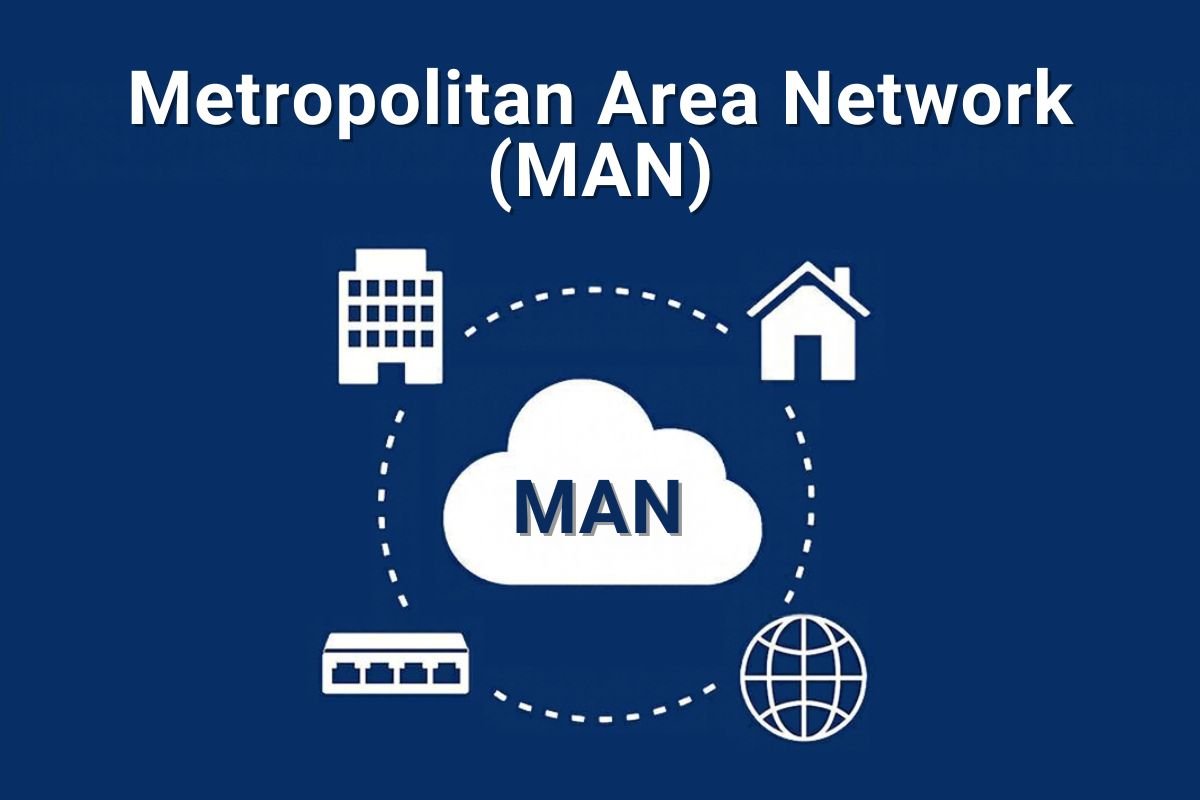
In today’s digital age, connectivity is more crucial than ever. With the rise of data-intensive applications, the need for robust networking solutions has become imperative. One such solution is the Metropolitan Area Network (MAN). In this article, we will delve into the details of MAN, exploring their features, advantages, and applications.
What is a Metropolitan Area Network?
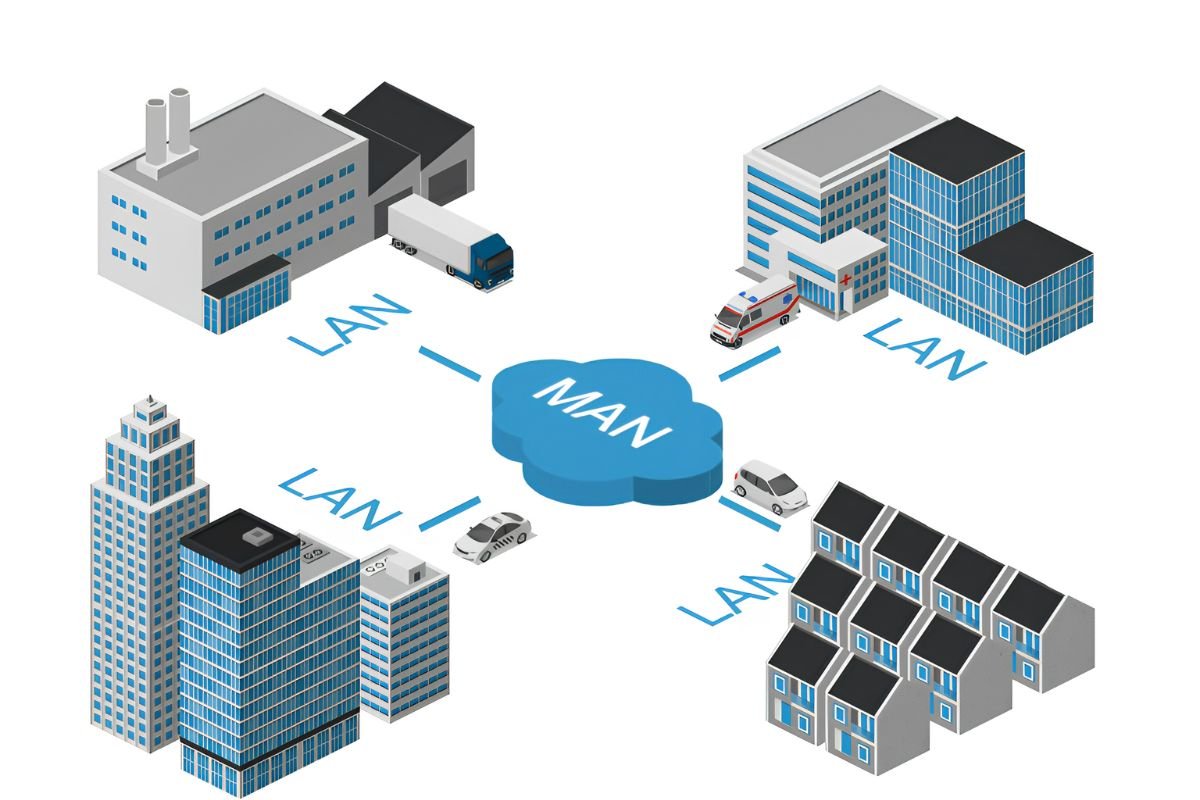
A metropolitan area network is a large computer network that interconnects users with computer resources in a specific geographic area, typically covering a city or a large campus. Unlike Local Area Networks (LANs), which are confined to a single building or a group of buildings, a MAN spans multiple locations within a metropolitan area. This allows organizations to connect various sites and users efficiently, facilitating communication and data sharing.
MANs are typically owned and operated by a single organization or a consortium of organizations. They utilize various transmission technologies, including fiber optics, wireless, and microwave links, to provide high-speed data transfer. The coverage of a MAN generally ranges from 5 to 50 kilometers, making it an ideal solution for cities where organizations need to share large amounts of data quickly.
Key Features of Metropolitan Area Networks
- High-Speed Connectivity: One of the primary advantages of metropolitan area networks is their ability to provide high-speed connectivity. MANs can support data transfer rates ranging from 10 Mbps to 1 Gbps, making them suitable for applications that require fast and reliable communication.
- Scalability: MAN are designed to be scalable. Organizations can easily expand their network by adding new devices or locations without significant infrastructure changes. This flexibility is essential for businesses that are growing or evolving.
- Cost-Effectiveness: Implementing a MAN can be more cost-effective than establishing multiple separate networks. By consolidating resources and sharing infrastructure, organizations can reduce operational costs while improving efficiency.
- Versatility: Metropolitan area networks can support various communication methods, including voice, data, and video. This versatility allows organizations to implement a wide range of applications, from video conferencing to data backup solutions.
- Enhanced Security: While security is a concern for all network types, MAN often incorporates robust security measures to protect sensitive data. This may include encryption, firewalls, and access control measures, ensuring that only authorized users can access the network.
Advantages of Metropolitan Area Networks
Metropolitan area networks offer several advantages over other networking solutions, making them a preferred choice for many organizations:
- Improved Collaboration: With a metropolitan area network, organizations can foster better collaboration among employees, regardless of their location within the metropolitan area. This is particularly important for businesses that operate in multiple offices or branches.
- Reliable Data Transfer: The high-speed nature of MANs ensures reliable data transfer, reducing the likelihood of data loss or delays. This is crucial for industries that depend on real-time data sharing, such as finance and healthcare.
- Centralized Management: MAN allows for centralized management of network resources. IT administrators can monitor performance, manage security, and allocate resources from a single location, simplifying network management.
- Integration with Existing Infrastructure: Many organizations can integrate a MAN with their existing LANs, providing a seamless networking experience. This integration allows for efficient data sharing and communication between different departments or locations.
- Flexibility in Technology: Metropolitan area networks can utilize a variety of technologies, including fiber optics and wireless communications. This flexibility enables organizations to choose the most suitable technology for their specific needs.
Applications of Metropolitan Area Networks

Metropolitan area networks find applications across various sectors, enhancing connectivity and collaboration. Here are some common applications:
- Educational Institutions: Schools and universities often use MAN to connect multiple campuses, allowing for resource sharing, collaboration among students and faculty, and centralized administrative services.
- Healthcare Facilities: Hospitals and healthcare providers can use MANs to connect multiple facilities, enabling the sharing of patient information, telemedicine services, and real-time communication among medical professionals.
- Government Organizations: Government agencies often rely on MAN to interconnect various offices within a city. This connectivity improves communication, enhances data sharing, and streamlines administrative processes.
- Corporate Enterprises: Large corporations with multiple branches in a city can leverage MAN to facilitate seamless communication and collaboration among employees. This ensures that resources are utilized efficiently, ultimately enhancing productivity.
- Internet Service Providers (ISPs): ISPs use metropolitan area networks to provide broadband connectivity to residential and commercial customers. By deploying MANs, they can offer high-speed internet access over a wide area, catering to the growing demand for reliable internet services.
Conclusion
In conclusion, metropolitan area networks play a pivotal role in the modern digital landscape, providing high-speed connectivity and enabling efficient communication across various sectors. With their scalability, cost-effectiveness, and versatility, MANs are well-suited for organizations looking to enhance collaboration and streamline operations. As the demand for data-intensive applications continues to rise, MAN will remain a critical component of network infrastructure in cities worldwide. Understanding the intricacies of metropolitan area networks allows organizations to harness their potential and stay ahead in the competitive landscape.
By leveraging the power of a MAN, businesses and institutions can enhance their operational efficiency and drive innovation, ensuring they remain competitive in an increasingly connected world.
Did you find this article helpful?
Visit more of our blogs! London Business World