
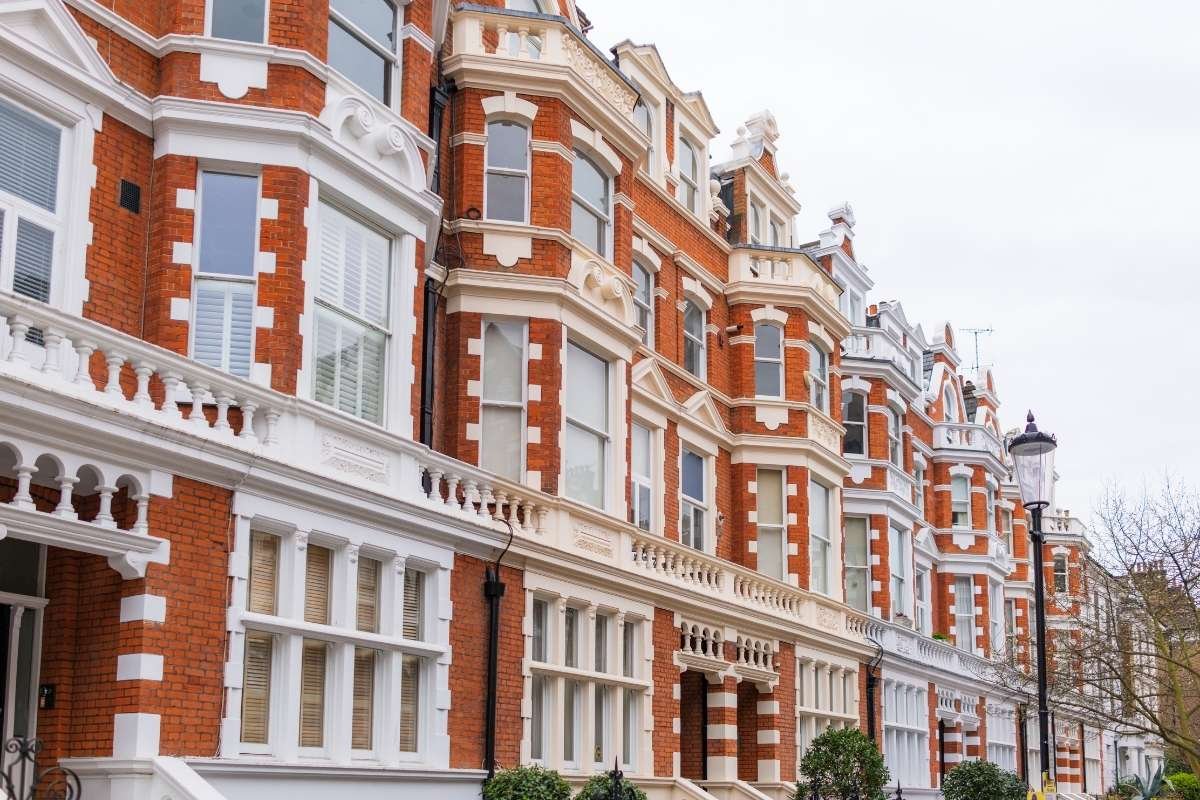
The London property market has long been a global hotspot for investors, homeowners, and businesses alike. Its appeal stems from London’s historical significance, financial stature, and vibrant culture. Whether you’re a seasoned investor or a first-time buyer, understanding the nuances of this dynamic market is crucial to making informed decisions. In this article, we’ll explore the current state of the London property market, the factors influencing it, and what investors should consider moving forward.
Why London? The Unique Appeal of the City
London’s status as a global financial center, along with its cultural diversity, has cemented its place as a prime destination for property investments. The city’s appeal lies in its ability to combine tradition with innovation, offering everything from Victorian homes to cutting-edge, modern developments. For international investors, London provides not only a place to live or work but also an opportunity to secure a stable, appreciating asset in one of the world’s most coveted cities.
Over the last decade, the London property market has been one of the most robust in the world. Despite various political and economic upheavals, such as Brexit, the COVID-19 pandemic, and inflation, the market has demonstrated remarkable resilience. This strength has made it a favorite among global investors looking for stable, long-term growth.
Current Trends in the London Property Market
The London property market is influenced by numerous factors, ranging from economic conditions to government policies and even global events. Understanding the current trends helps to anticipate future movements and opportunities.

- Rising Property Prices
London has seen a consistent increase in property prices, driven by high demand and limited supply. Despite the global economic uncertainties, property values have continued to rise, albeit at a slower pace compared to pre-2020 levels. Prime areas, such as Kensington, Chelsea, and Westminster, have always commanded premium prices, and this trend persists. - Post-Pandemic Recovery
The COVID-19 pandemic initially slowed the market, with transactions dropping as restrictions were imposed. However, the post-pandemic recovery has been strong, with a marked increase in demand for larger homes with outdoor spaces, as remote work becomes more normalized. This shift has sparked interest in areas outside the central core of London, where properties offer more space for lower prices. - Sustainability and Green Buildings
Sustainability is increasingly becoming a critical factor for buyers and renters. Eco-friendly developments with energy-efficient features, such as solar panels, efficient insulation, and green roofs, are more attractive. The London property market has adapted, with more developers focusing on sustainable projects to meet both consumer demand and government regulations. - Interest Rate Fluctuations
As with any property market, interest rates play a crucial role in shaping demand. The recent hikes in interest rates by central banks, aimed at controlling inflation, have slightly cooled the market. Buyers, particularly first-time homebuyers, are more cautious, leading to longer decision-making processes. However, seasoned investors, particularly international ones, continue to see the London property market as a safe and rewarding investment.
Key Areas to Watch in the London Property Market
Different areas in London have seen varied growth patterns, with some emerging as hotspots for investment.
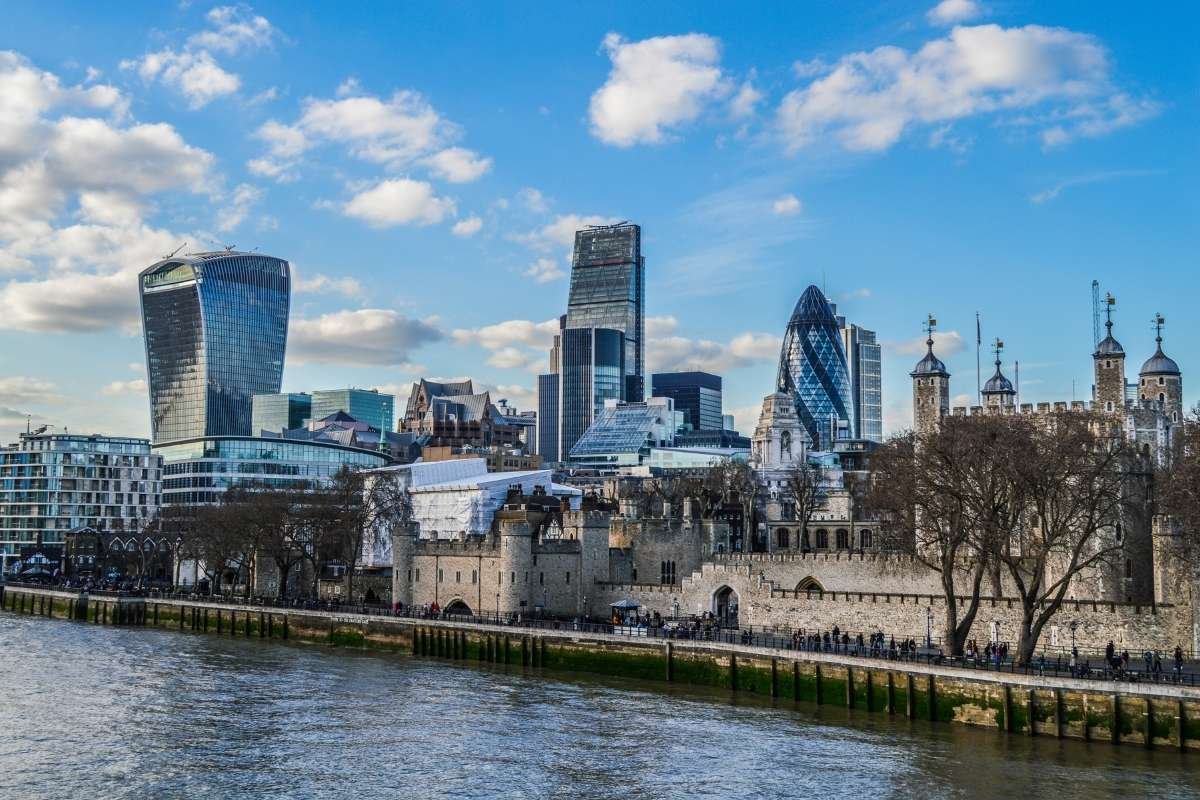
- East London
Areas such as Stratford, Shoreditch, and Canary Wharf have become increasingly popular. Traditionally known for their industrial past, these areas have undergone significant regeneration, offering a mix of affordable and luxury properties. East London’s appeal also stems from its excellent connectivity, vibrant cultural scene, and proximity to the City of London, the financial hub. - South London
Once overlooked, South London areas like Brixton, Clapham, and Peckham are experiencing a property boom. These neighborhoods offer more affordable housing options compared to the prime central areas, attracting young professionals and families. Transport links have improved, making these areas more accessible and desirable. - Prime Central London
Despite the rising interest in outer areas, prime central London, including Mayfair, Belgravia, and Knightsbridge, remains a top destination for ultra-high-net-worth individuals (UHNWIs). The appeal of owning property in these prestigious areas is unmatched, with buyers often looking at these properties as both homes and long-term investments.
Challenges and Considerations for Investors
While the London property market offers plenty of opportunities, there are also challenges that investors should be aware of.

- Stamp Duty
Stamp duty is one of the key costs associated with buying property in London. For overseas buyers, there’s an additional surcharge, which can significantly increase the total cost of acquisition. It’s essential to factor this into your investment calculations to avoid any unpleasant surprises. - Brexit and Its Aftermath
Brexit has had an undeniable impact on the London property market. While the long-term effects are still being debated, there’s no doubt that the market experienced a period of uncertainty. However, with the UK now outside the EU, many global investors see London as a more accessible market, free from some of the regulatory hurdles associated with EU membership. - Currency Exchange Rates
For international investors, currency fluctuations can affect the overall cost of purchasing property. A favorable exchange rate can make London property more affordable, but it can also increase costs if the rate shifts unfavorably. It’s advisable to work with financial experts to hedge against these risks. - Supply Constraints
One of the key drivers of rising prices in the London property market is the lack of supply. There’s a significant shortage of housing, particularly in central areas, where demand far outstrips availability. While this benefits property owners by driving up prices, it also means that new investors may find it challenging to enter the market at competitive rates.
The Future of the London Property Market
Looking ahead, the London property market is poised to remain a global leader in real estate. Its appeal to international investors, coupled with its economic strength and cultural significance, ensures its position as a prime investment destination. However, the market will likely face some challenges, particularly around affordability and sustainability. Government policies aimed at addressing the housing shortage and encouraging green developments may also shape the future of the market.
Investors should keep an eye on evolving trends, such as the increasing demand for eco-friendly buildings, the impact of digital transformation in real estate transactions, and global economic conditions that could influence market dynamics.
Conclusion
The London property market continues to offer a mix of stability, growth potential, and prestige for both domestic and international investors. With its diverse range of properties, from luxury penthouses to more affordable suburban homes, London remains a key player on the global real estate stage. While challenges such as rising interest rates and supply constraints persist, the long-term outlook for the London property market remains promising for those looking to invest wisely.
Did you find this article helpful?
Visit more of our blogs! London Business World