

London is one of the most dynamic and culturally rich cities in the world, attracting millions of visitors and thousands of new residents each year. Whether you’re drawn by its bustling job market, world-class educational institutions, or the sheer vibrancy of its cultural scene, moving to London can be an exciting but overwhelming experience. This guide will provide you with everything you need to know to make your transition smoother and help you settle into life in the UK’s capital.
Why Consider Moving to London?
London has long been a hub for business, education, and culture. It’s home to a diverse population of over 8 million people, with residents from all over the globe. For expats, moving to London means access to a vast array of career opportunities, especially in sectors such as finance, technology, healthcare, and creative industries. The city’s rich history, iconic landmarks, and cultural diversity make it a top destination for people looking to live in one of the most exciting cities in the world.
Moreover, London is a major center for international business, making it an ideal destination for professionals looking to advance their careers. Whether you’re relocating for work or education, the city’s global influence ensures that opportunities are abundant.
Finding Accommodation
One of the first steps when moving to London is finding a place to live. The city is divided into various boroughs, each with its unique character and charm. When choosing an area to live in, consider factors like proximity to work or school, lifestyle preferences, and budget.
- Central London: If you want to be in the heart of the action, neighborhoods like Covent Garden, Soho, and Kensington offer access to major landmarks, restaurants, and nightlife. However, living in these areas comes with a hefty price tag.
- North London: Areas like Camden, Islington, and Hampstead are popular among young professionals and families. These neighborhoods offer a mix of trendy cafes, parks, and excellent transport links.
- South London: Known for its more residential vibe, South London neighborhoods like Clapham, Greenwich, and Brixton offer a balance between city life and greenery.
- East London: This area has undergone significant regeneration in recent years and is now one of the trendiest parts of the city. Shoreditch, Hackney, and Stratford are hotspots for creatives and young professionals.
- West London: Areas like Chelsea, Notting Hill, and Richmond are known for their upscale homes and family-friendly atmospheres.
It’s important to note that London’s rental market is highly competitive, so be prepared to move quickly once you find a suitable place. Websites like Rightmove, Zoopla, and SpareRoom are great resources for finding accommodation.
Navigating the Public Transport System
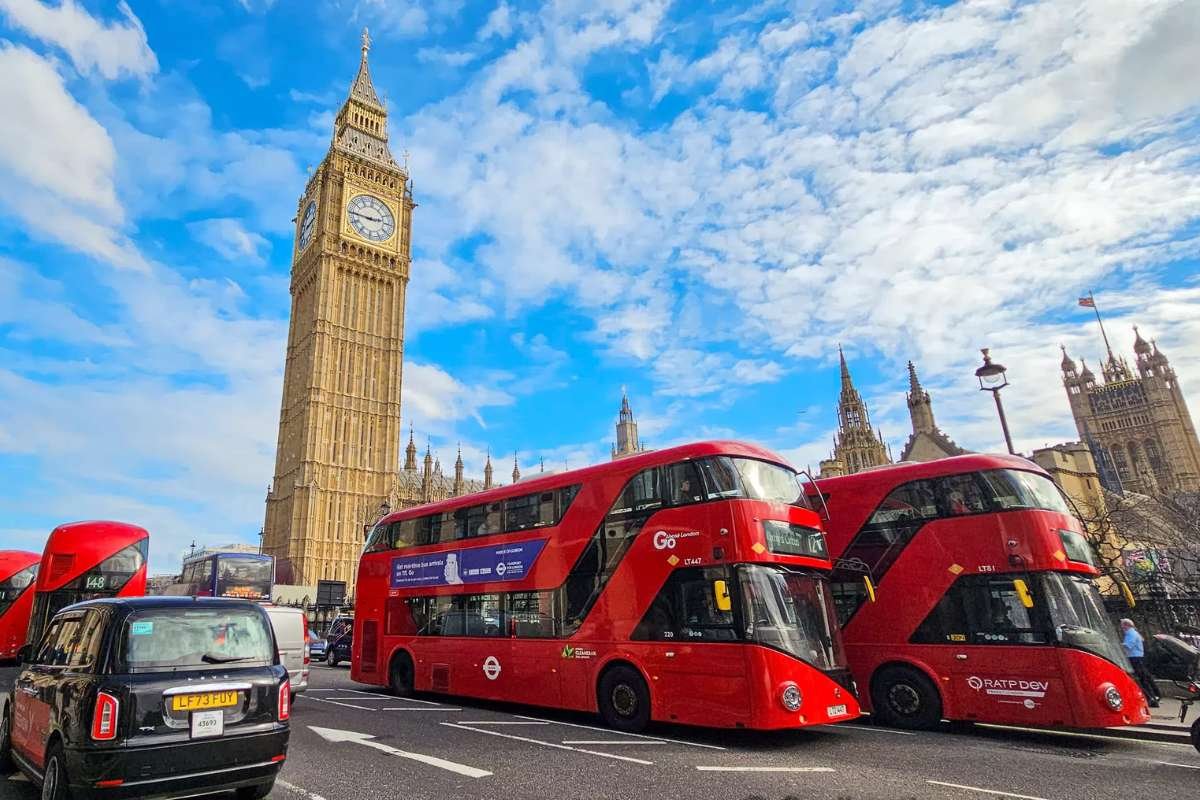
One of the biggest advantages of moving to London is its excellent public transport system. The London Underground (commonly known as the Tube) is the quickest and most efficient way to get around the city. With 11 lines covering over 250 miles, you can easily travel between boroughs and beyond.
In addition to the Tube, London’s buses, trams, and overground trains offer extensive coverage. The Oyster card, a prepaid travel card, is the most convenient way to pay for public transport. You can also use contactless payment methods like credit/debit cards or mobile devices.
For those who prefer cycling, London has a growing network of bike lanes and the Santander Cycles scheme, which allows you to rent bikes at various docking stations across the city.
Cost of Living
Before moving to London, it’s essential to understand the cost of living, which is one of the highest in Europe. Housing tends to be the biggest expense, with rent prices varying significantly based on location and property type. On average, a one-bedroom apartment in central London can cost between £1,500 to £2,500 per month, while in outer areas, prices range from £1,000 to £1,500.
Other living costs to consider include:
- Food: Groceries are relatively affordable, but dining out in London can be expensive, especially in central areas. However, you can find plenty of budget-friendly eateries, street food markets, and supermarkets like Tesco, Sainsbury’s, and Aldi for daily essentials.
- Utilities: Gas, electricity, and water bills can add up, typically costing around £100-£200 per month, depending on the size of your home and usage.
- Transport: A monthly travel card for zones 1-2 costs around £150, while zones 1-6, which cover a wider area, cost approximately £260.
While London is undoubtedly expensive, careful budgeting and planning can help make the cost of living more manageable.
Health Care in London

One of the perks of moving to London is access to the National Health Service (NHS), which provides free healthcare to UK residents. Expats from the European Economic Area (EEA) and other international countries may also be eligible for NHS care, depending on visa status and length of stay.
To register with a doctor (General Practitioner or GP), you’ll need proof of address and identification. Dental care and prescriptions are not entirely free but are heavily subsidized by the NHS. Private healthcare is also available for those who prefer faster access to treatments and specialists.
Schooling and Education
If you’re moving to London with children, education is another critical factor to consider. London has an array of excellent public (state-funded) and private (independent) schools. The UK education system is highly regarded globally, and schools in London often have diverse student populations, making them a welcoming environment for international families.
For younger children, state primary schools are free to attend and follow the national curriculum. Secondary schools, for children aged 11-18, also offer free education. Private schools, on the other hand, can be quite expensive, with fees ranging from £10,000 to £30,000 per year.
London is also home to some of the world’s top universities, including Imperial College London, University College London (UCL), and the London School of Economics (LSE), making it a hub for higher education.
Culture and Entertainment
Moving to London means you’ll never run out of things to do. The city is a cultural playground, with world-renowned museums, galleries, theaters, and historical landmarks at every turn. From the British Museum to the Tate Modern, London offers countless opportunities to immerse yourself in art, history, and culture.
London’s vibrant theater scene, centered around the West End, offers everything from long-running musicals to cutting-edge plays. Music lovers will find plenty of live performances, whether at iconic venues like the Royal Albert Hall or in smaller, intimate clubs.
The city also boasts numerous parks and green spaces, such as Hyde Park, Regent’s Park, and Hampstead Heath, offering a refreshing escape from the urban hustle.
Conclusion
Moving to London is a significant life decision, but with its rich cultural heritage, thriving job market, and excellent amenities, it’s a place where many expats find success and fulfillment. From finding accommodation to understanding the cost of living, this guide covers essential aspects to help you plan your move and make the most of your time in this iconic city. Whether you’re moving to London for work, education, or simply to experience life in one of the world’s greatest cities, it’s a decision you won’t regret.
By following the advice outlined here, your move to London should be a smoother and more enjoyable transition. Keep in mind that every move comes with its challenges, but with a little preparation, you’ll be well on your way to calling London home.
Did you find this article helpful?
Visit more of our blogs! London Business World